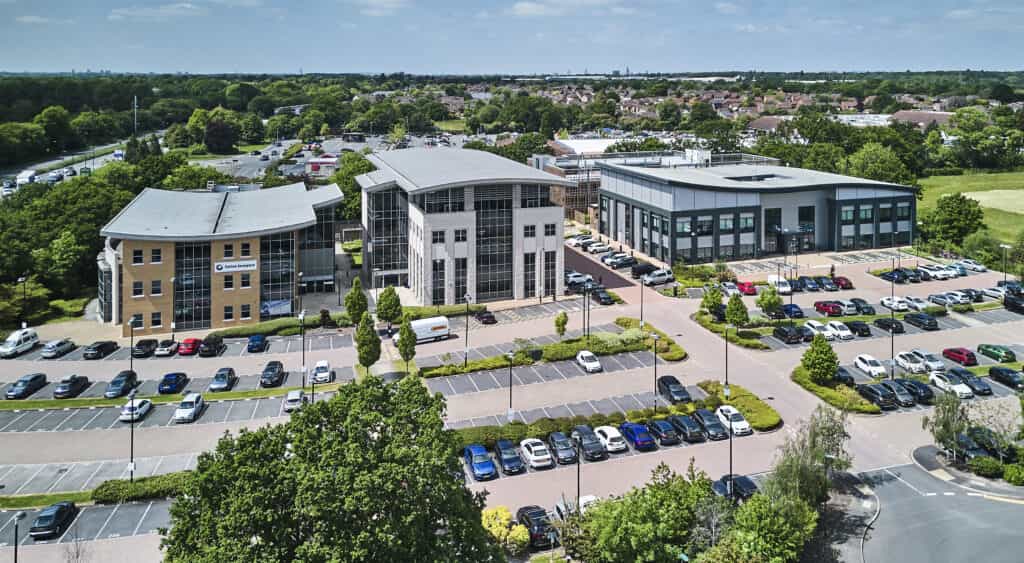
Much has changed in the occupier market in recent years. Offices have become the new ‘homes’ of working – complete with all the same comforts: the coffee machines, the cushions, the cosy corners to create spaces which people genuinely enjoy spending time in.
OUR SUSTAINABLE FUTURES JOURNEY
As we continue to make progress against our Sustainable Futures targets, 2026 has seen lots of great work happening across the business. This update is intended to give you an overview into some of the work that has been happening across various divisions relating to Sustainable Futures, and also look at what is happening further afield that may impact the work we are doing. Our goals cannot be achieved without the support and hard work of our teams, and we are pleased to see so much progress this year.
PEOPLE
To help shape and strengthen the delivery of our Sustainable Futures strategy, we are establishing a new Sustainability Champions Committee, which will commence in Q4.
The committee brings together colleagues from across the business, representing a diverse range of teams, perspectives and experiences. Members include Jess Shepherd, Dan Rudd, Simran Ray, Josh Newman, Nina Bunch, Charlotte Akerman and Josh Spicer, ensuring broad representation from different divisions within IM Properties. It will be chaired by Rob Hemus, and supported by the wider sustainability team.
The committee has been created to encourage greater collaboration and input into our Sustainable Futures agenda. By bringing together a variety of viewpoints, skillsets and expertise, the group will help us challenge our thinking, generate new ideas and ensure our approach reflects the priorities of the wider business.
Initially running through to the end of 2027, the committee's remit will span all three pillars of Sustainable Futures, supporting a range of initiatives including events, charity and community activities, research projects, and involvement with our education programme.
We look forward to working closely with the committee over the coming months and hearing their ideas as they help drive forward our Sustainable Futures ambitions.
PLACE
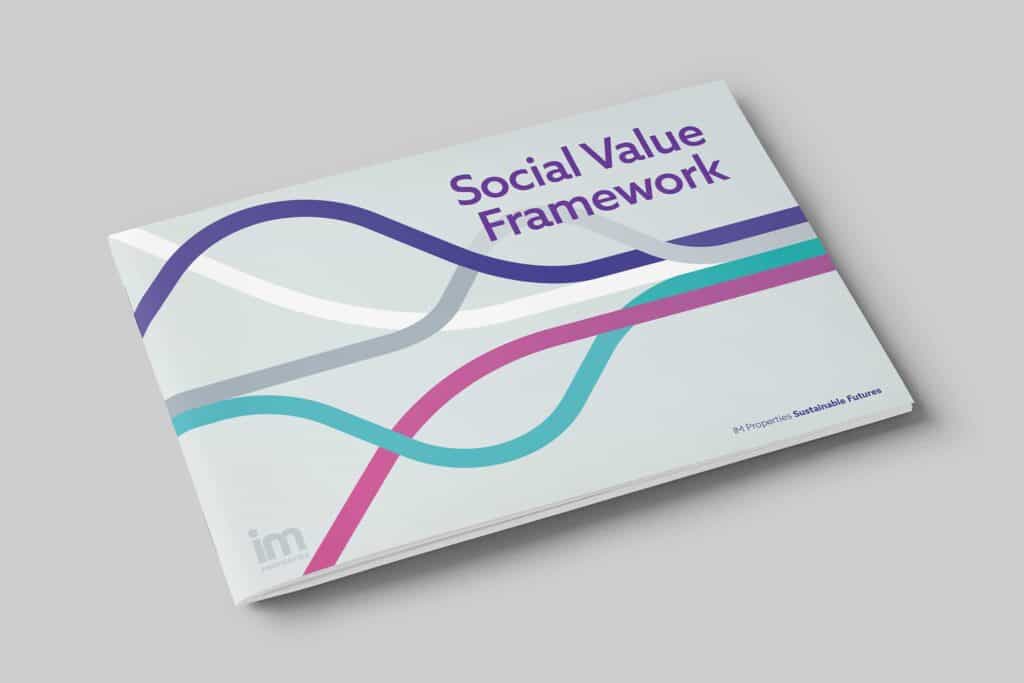
The Sustainable Futures Strategy sets our ambition, demonstrating our commitment to People, Place and Planet. The Social Value Framework turns that ambition into action, providing a clear and consistent approach to creating positive impact across our developments, investments, and business activities.
Built on the principle that social value is everyone's responsibility, the framework helps us:
- Embed social value throughout the project lifecycle.
- Clearly define roles and responsibilities.
- Consistently plan, deliver and measure impact.
- Build stronger partnerships with communities and stakeholders.
- Create lasting, measurable benefits for the places where we work.
As our Sustainable Futures programme continues to grow, the framework will help ensure we deliver social value with consistency, authenticity, and long-term impact. We will be launching the new framework as part of our upcoming Sustainable Futures week in November.
IM Properties Work Experience Programme
We're launching a more structured and consistent approach to work experience at IM Properties, creating meaningful opportunities for young people while helping us build awareness of careers in our industry and develop future talent. The programme will include:
- A 12-week placement for a University of Birmingham Geography student from January to March. Read about Niamhs recent experience here
- A summer term work experience week for four students from a local school.
- A summer holiday work experience week for four students, with opportunities to include friends and family.
The framework introduces a more structured and consistent approach to work experience at IM Properties, helping us manage applications more effectively while ensuring each student gains maximum value from their time with us.
It will enable us to build stronger relationships with local education providers while creating more accessible opportunities for young people who may not otherwise have the networks or connections to secure work experience with us.
Ultimately, the programme will help us inspire future talent and deliver meaningful experiences that showcase the wide range of careers available across our industry. More details on the programme will be shared in the new year.
If you're interested in supporting and inspiring young people, we're also looking for mentors to get involved in our partnership with Solutions for the Planet. We recently hosted an event at The Gate, bringing together students and mentors to showcase the programme and the positive impact it delivers for everyone involved. If you'd like to apply to become a mentor, or simply find out more, reply to the latest Sustainable Futures email.
PLANET
Building climate resilience into our projects
Delivering developments that are fit for the future is a core objective of our Sustainable Futures vision and an important part of achieving our Planet goals. As environmental conditions continue to change, it is increasingly important that we understand the risks facing the built environment and take proactive steps to ensure our developments remain resilient over the long term.
To do this effectively, we first need to understand our exposure and vulnerability to climate related hazards. This means identifying the risks that could affect our assets, occupiers and operations, both now and in the future, and ensuring these considerations are reflected in our decision-making from the earliest stages of project design and delivery.
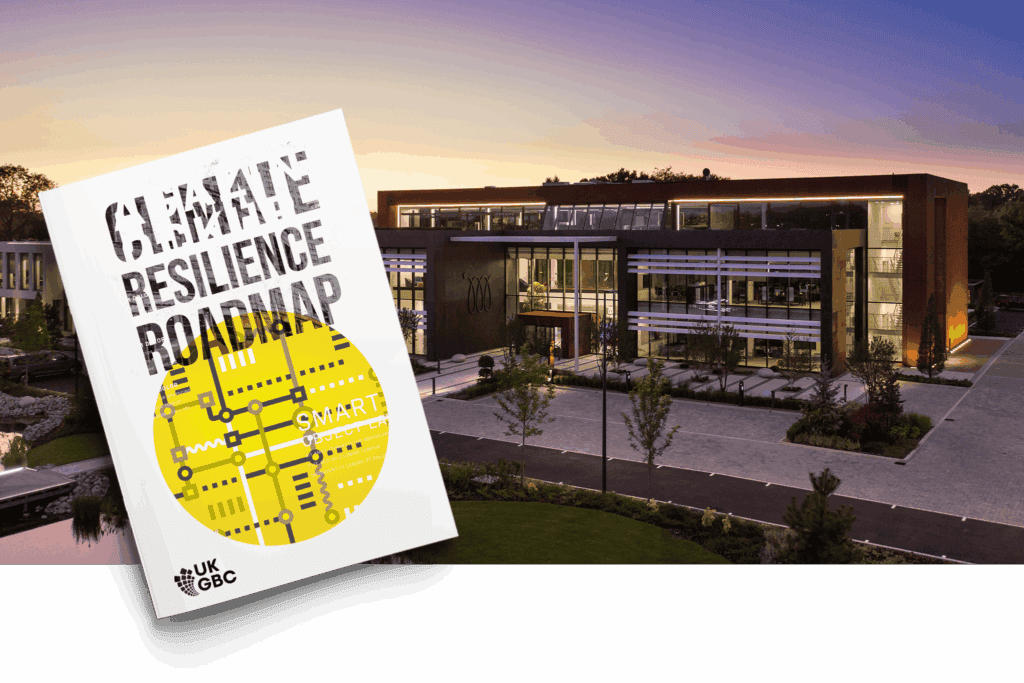
The UK Green Building Council's Climate Resilience Roadmap provides a practical framework that focuses on four key stages: Awareness, Anticipate, Adapt and Sustain. These principles help organisations understand climate risks, plan for future environmental changes and implement measures that strengthen resilience over time. We are exploring how these fundamentals can be incorporated into our projects and ways of working going forward.
Looking ahead, climate resilience will become an increasingly important consideration across the development sector. The recently updated National Planning Policy Framework (NPPF) places greater emphasis on climate adaptation and resilience, specifically highlighting risks such as flooding, overheating, storms, drought and wildfires. As these considerations become more embedded within the planning system, they are likely to play a growing role in how development proposals are assessed and how projects are designed.
As part of Sustainable Futures Week 2026, we'll be hosting a practical CPD session focused on Nature Positive and developing understanding of the four stages of the Climate Resilience Roadmap.